

A mono carton is a specific folding-paperboard construction, while “printed retail box” can describe anything from a folding carton to a corrugated mailer or rigid setup box. By comparing structure, protection, delivered cost, print quality, and supplier controls, you can select packaging that fits your product, sales channel, and Jaipur distribution route.
Key takeaways
- Choose mono cartons for efficient folding packs that ship flat.
- Use rigid boxes when premium presentation outweighs storage and freight efficiency.
- Compare board grade, dimensions, closures, print finish, and delivered cost.
- Approve a physical sample before releasing the production order.
Mono Carton and Printed Retail Box: What Are You Actually Comparing?
A mono carton is a specific folding paperboard package, while “printed retail box” is a broader commercial category. It uses die-cut panels, creases, and tuck-end or glued closures, then ships flat. SBS, FBB, and duplex board are common stocks. A printed retail box can also mean a rigid setup box or corrugated mailer.
| Option | Construction | Best fit | Main limitation |
|---|---|---|---|
| Mono carton | Folding paperboard without flutes | Shelf display, light products, compact storage | Limited crush and moisture resistance |
| Rigid setup box | Thick board formed into a fixed shape | Premium presentation and gift products | Higher storage volume and freight burden |
| Corrugated printed box | Linerboard around a fluted medium | Courier shipment, stacking, and heavier products | Bulkier appearance and larger storage footprint |
That distinction matters in a retail packaging comparison in Jaipur. ECT and BCT ratings qualify corrugated boxes, not ordinary mono cartons; match drop and vibration testing to the actual transport route. Require a physical blank and folded sample because artwork alone misses crease cracks, glue failure, barcode distortion, and packing-speed problems.
For a mono carton versus retail box in Jaipur, pair a mono carton with a separate corrugated shipper when shelf presentation and courier protection both matter. This two-stage package avoids making the shelf carton carry the full transit load.
Choose the Structure That Matches Your Product and Route
Choose the package for the hardest part of its route: shelf display, courier handling, warehouse stacking, or premium unboxing. For a mono carton or printed box for retail in Jaipur, decide whether one structure must perform every job.
| Option | Choose it when | Main trade-off |
|---|---|---|
| Mono carton | The product is light, shelf graphics, flat storage, tuck ends, and a clean die-cut shape matter most | Limited crush and moisture resistance |
| Corrugated printed box | The product is heavier, travels by courier, or faces repeated handling and stacking | Uses more storage space and gives a less refined shelf finish |
| Rigid box | Premium presentation, gift positioning, and a strong opening experience justify higher material and handling cost | Arrives formed, occupies space, and costs more to transport |
| Two-stage shelf-and-ship package | A printed mono carton must look attractive in-store but also survive distributor or courier movement | Requires a separate corrugated shipper and an extra packing step |
A mono carton is a flat folding paperboard pack made from die-cut, creased and glued panels, or tuck-end closures. Choose it when shelf appearance and efficient storage outweigh high stacking strength; choose a corrugated printed box when flute structure and crush resistance matter more.
For many retailers, the two-stage design is the safer compromise: use the mono carton for presentation, then place it inside a corrugated shipper for transport. Making the shelf carton carry the full shipping load can demand heavier board, inserts, or an inefficient shape.
Match testing to the route. Drop and vibration tests apply to the packed product, while ECT and BCT ratings describe corrugated boxes, not ordinary folding cartons. A physical blank and folded sample will expose crease cracking, panel bowing, inaccurate flaps, and packing-speed problems before production.
Specifications That Decide Shelf Performance and Transit Survival
A carton can look excellent on a shelf and still crack at the creases, jam an automated packer, or fail a barcode scan. Compare the specifications below before approving the production file.
| Specification | Mono carton | Printed corrugated box |
|---|---|---|
| Material | SBS, FBB or duplex paperboard; specify caliper, grammage and moisture tolerance | Corrugated board; specify flute, liner grade and ECT or BCT rating |
| Printing | CMYK or spot colours, registered to dielines and brand colour targets | Flexographic or lithographic print; check flute show-through and colour consistency |
| Finish | Aqueous varnish, UV varnish, laminate or uncoated surface; confirm crease crack resistance | Coating or laminate must not weaken folds, slots or glue areas |
| Structure | Internal dimensions, score layout, tuck direction, glue flap and board tolerance | Flute direction, panel dimensions, closure method and stacking orientation |
| Testing | Flat blank, folded sample, compression and route-specific drop or vibration checks | Shipment-level drop, vibration and stacking tests using the selected shipper |
Specify the barcode quiet zones, contrast, magnification and panel curvature. Verify a production-finish sample with a calibrated verifier or the intended retail scanner; dark ink, overprint varnish, laminate and creases can turn a clean proof into a failed scan.
Before sign-off, require:
- A physical blank and folded sample
- Packed dimensions and product-fit tolerance
- Glue adhesion, tuck closure and crease inspection
- Automated packing trial at the target speed
Do not use ECT or BCT to qualify a folding mono carton. Those ratings apply to corrugated packaging; use route-specific tests for the actual package and product.
Compare Delivered Cost and Manufacturer Capability, Not Sample Appearance
The best mono carton manufacturer for retailers is the supplier that holds specifications at your order volume, not the one with the most attractive sample.
The phrase best mono carton manufacturer compared with printed retail boxes in Jaipur should trigger a delivered-cost and control check, because a mono carton, corrugated mailer, and rigid box have different production risks.
| Compare | Require from the manufacturer | Cost or risk exposed |
|---|---|---|
| Delivered unit cost | Plates, die charges, proofing, finishing, gluing, freight to Jaipur, minimum quantity, and storage impact | A low quoted price can become expensive after freight, leftovers, or breakage |
| Production control | Board caliper records, colour tolerance, die-cut registration, crease checks, glue-strength checks, and packing count | Inconsistent folds, cracked creases, open seams, and rejected cartons |
| Sample evidence | One physical blank and one folded carton packed with your product | A flat proof cannot show tuck accuracy, barcode distortion, panel bowing, or packing speed |
| Delivery reliability | Written lead time, dispatch count, replacement policy, and records from comparable order volumes | Late cartons can stop filling, promotions, or retail replenishment |
Ask Riya Creation for the same evidence you request from any shortlisted supplier: a production sample, packed-carton check, and documented dispatch plan. Then compare the delivered cost per saleable unit, not the invoice price alone. A supplier that cannot explain rejects, rework, and late-delivery handling has not demonstrated capability, regardless of sample appearance.
Related products
 | Mono Carton Leading mono carton box manufacturer offering custom printed packaging, duplex carton boxes, pharmaceutical, cosmetic, food, FMCG, retail, and... View product → |
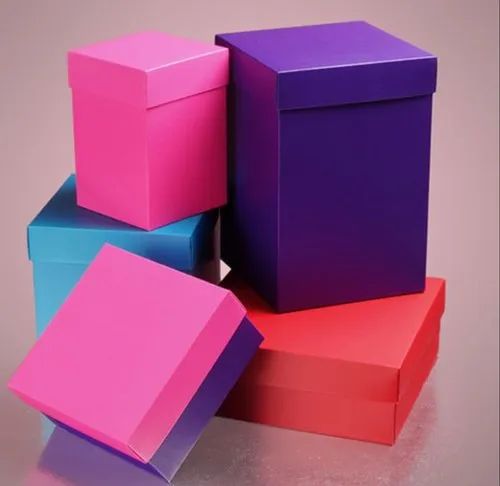 | Box Printing We are a trusted box manufacturing company specializing in corrugated boxes, carton boxes, printed packaging boxes, export packaging, industrial... View product → |
Use a Physical Approval Process Before Placing the Production Order
Approve a physical blank and a folded, printed sample before releasing the production order. Flat artwork cannot expose cracking at creases, distorted barcodes, loose glue, bowed panels, or a tuck flap that jams during packing.
1. Pack the actual product into the sample. Check internal length, width, and height, closure fit, opening direction, product orientation, insert clearance, and the time needed for one operator to erect and fill it.
2. Run the folded carton through the intended packing method at the required speed. Record jams, flap interference, glue failures, scuffing, and cartons that do not hold their shape after filling.
3. Scan every barcode from the printed sample with the same handheld scanner or point-of-sale device used in the shop. Test the smallest type, colour contrast, quiet zones, and barcode position after folding; a crease across the bars can make a correct file unreadable.
4. Stack filled cartons in the planned storage arrangement. Check panel bowing, edge crushing, sliding, moisture pickup, and whether the stack remains stable for the expected storage period and handling route.
5. Approve colour, text, die-cut registration, crease position, glue coverage, and closure force against a signed reference sample. Ask for a first-off sample from the production setup, then verify carton count, packed dimensions, and pallet or bundle configuration before accepting the full run.
A sample proves design fit; a controlled first production check proves repeatability at volume. Keep the signed sample and inspection measurements with the purchase order.
Frequently asked questions
What is the difference between a mono carton and a printed retail box?
A mono carton is a folding paperboard package made from die-cut panels, creases, and tuck-end or glued closures. Printed retail box is a broader term that can include mono cartons, rigid setup boxes, and corrugated mailers.
How do you choose between a mono carton and a printed box for retail in Jaipur?
Choose a mono carton when the product suits a flat-packed paperboard structure and you value efficient storage and transport. Choose a rigid box when premium presentation and rigidity matter more than flat shipping and freight efficiency.
Which specifications affect retail packaging performance?
Check board type and thickness, internal dimensions, closure design, die-cut accuracy, crease quality, print registration, coating, finish, and resistance to compression and transit handling.
How should you compare mono carton manufacturers in Jaipur?
Compare delivered cost rather than sample appearance alone. Review board sourcing, prepress control, die-cutting, folding and gluing, quality checks, minimum order terms, lead time, packing method, and the physical approval process.
Why approve a physical sample before ordering printed retail boxes?
A physical sample lets you check product fit, panel alignment, closure strength, fold lines, colour appearance, coating, barcode readability, and damage risk before production.
Keywords